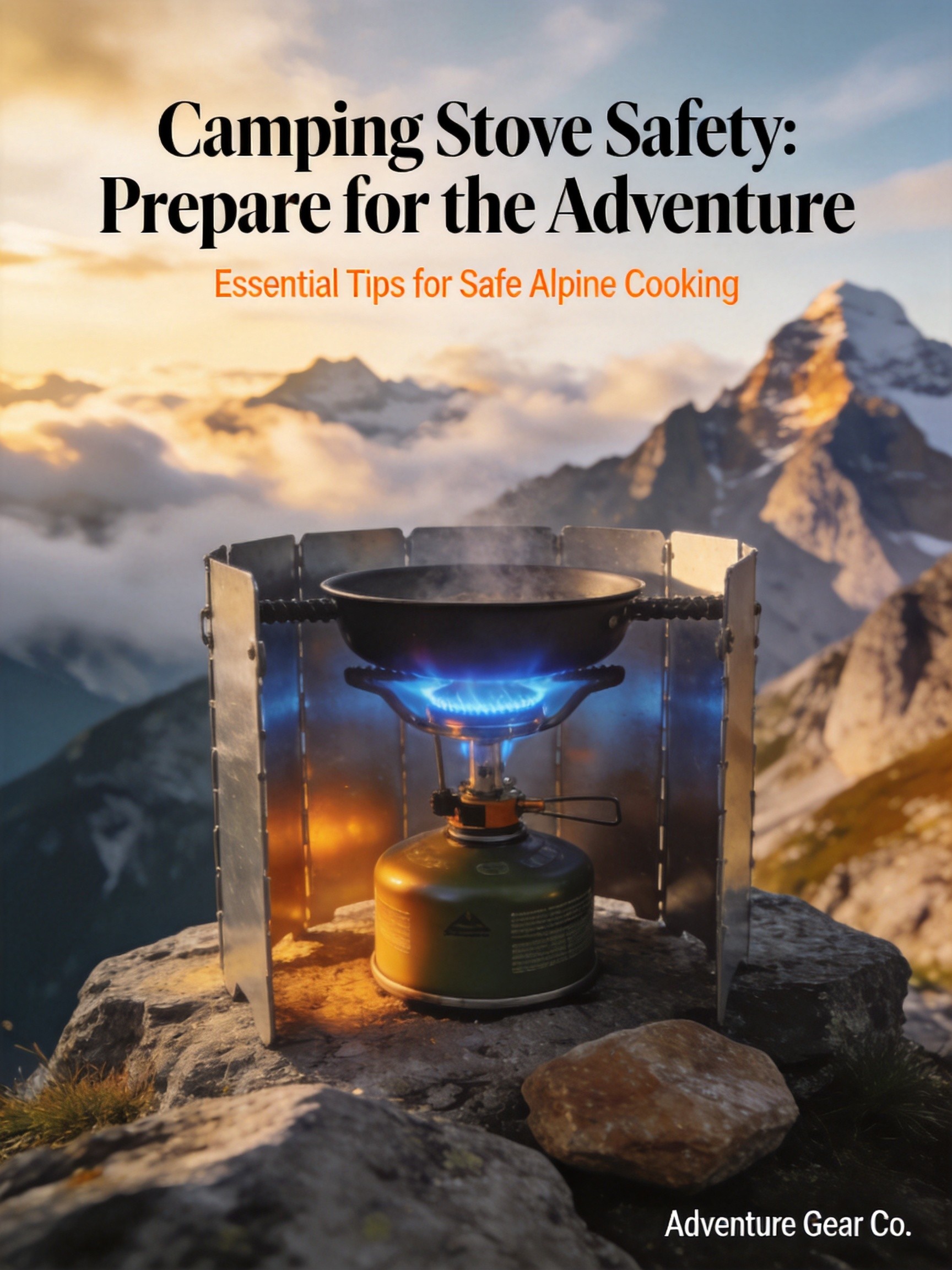

Every year, campers underestimate the danger of cooking with an unprotected flame. In Europe’s mountainous and coastal regions, sudden gusts can extinguish your stove — or worse, redirect flames toward your tent or clothing.
The Hidden Danger of Wind
Wind does three things to your stove:
- Blows out the flame — leaving you with a cold meal and wasted fuel
- Reduces heat transfer — your pot absorbs only 30–40% of the stove’s energy
- Scatters embers — a fire risk in dry conditions, especially in Southern Europe during summer
How a Windscreen Helps
A properly fitted windscreen creates a calm zone around your stove. The benefits are immediate:
- 50% faster boil times — less fuel, less waiting
- Consistent flame — no more relighting mid-cook
- Fire safety — contained heat reduces ember scatter
- Fuel savings — a 230g canister lasts 2–3 extra meals
Aluminum vs. Titanium Windscreens
Aluminum windscreens are affordable, lightweight, and fold flat for storage. Titanium versions are more durable and handle higher temperatures but come at a premium. For most European campers, aluminum offers the best value-to-weight ratio.
Setup Tips
- Leave a 1cm gap between the windscreen and your pot for airflow
- Position the opening away from the wind direction
- Use rocks or your pack as an additional windbreak on exposed ridges
- Never use a windscreen with a canister stove inside an enclosed tent
Carbon Monoxide Warning
Even with a windscreen, always cook in a well-ventilated area. Carbon monoxide poisoning is a real risk in enclosed spaces. If you must cook in a tent vestibule, ensure maximum ventilation and keep sessions under 10 minutes.